
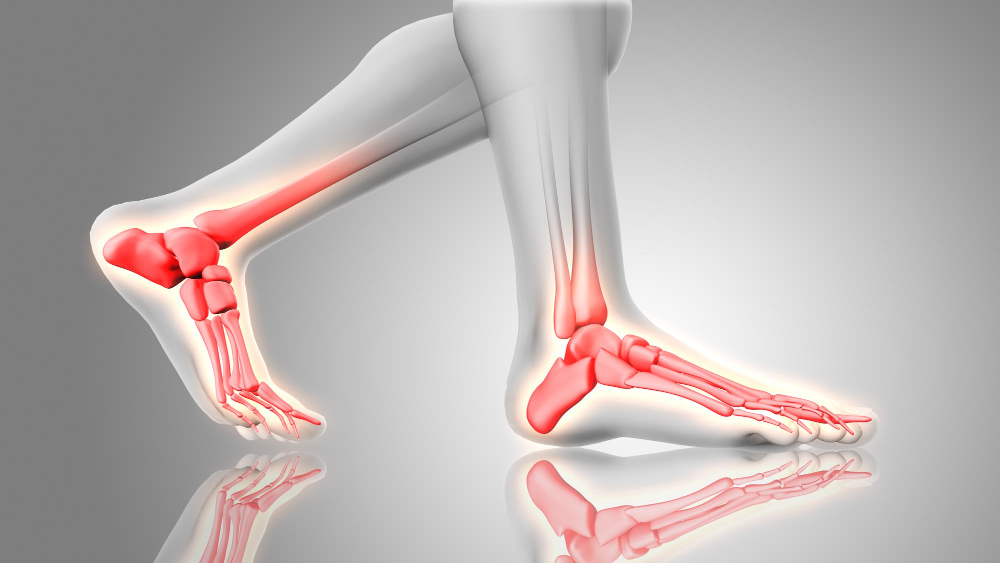
If you’ve been told you have peripheral neuropathy, chances are you noticed the symptoms in your feet long before anywhere else. Burning at the bottom of your feet at night. Numbness in your toes. A tingling sensation that won’t quit. This pattern isn’t a coincidence — there’s a clear anatomical reason why neuropathy almost always starts in the feet.
Why Neuropathy Starts in the Feet
The peripheral nerves in your feet are the longest in your entire body. They travel all the way from the base of the spinal cord down through the legs to the tips of the toes — a remarkable distance for a single nerve fiber.
Because of this length, foot nerves are exposed to more potential damage over a longer stretch than nerves anywhere else in the body. They’re also among the last nerves to receive blood supply from the circulatory system, making them particularly vulnerable when blood flow is compromised — as it is in diabetes and vascular disease.
This “dying back” pattern — where damage starts at the most distant nerve endings and works its way inward — is the hallmark of most forms of peripheral neuropathy.
What Neuropathy in the Feet Feels Like
Foot neuropathy symptoms can vary from person to person and may include:
- Persistent burning, especially at night
- Numbness or loss of sensation in the toes or sole
- Tingling or “pins and needles” sensations
- Sharp, stabbing, or electric-shock-like pain
- Extreme sensitivity — even light touch or a bedsheet against the foot can cause pain
- Feeling like you’re walking on pebbles or wearing socks when you’re not
- Weakness in foot muscles, leading to difficulty lifting the toes (foot drop)
The Danger of Numbness in the Feet
While pain is obviously unpleasant, numbness carries its own serious risks — particularly for people with diabetes. When you lose sensation in your feet, you can injure yourself without realizing it. Blisters, cuts, and pressure sores can go unnoticed and develop into serious infections.
The National Institute of Diabetes and Digestive and Kidney Diseases reports that diabetic foot problems — largely driven by neuropathy-related loss of sensation — are the leading cause of non-traumatic lower limb amputations in the United States.
Daily Foot Care for Neuropathy Patients
If you have neuropathy in your feet, daily inspection and care become critical:
- Check your feet every day for cuts, blisters, redness, swelling, or nail problems
- Wash and dry your feet carefully, especially between the toes
- Apply moisturizer to prevent cracking (avoid between toes)
- Never walk barefoot — not even indoors
- Wear well-fitting shoes without seams that could rub and cause wounds
- Keep blood sugar controlled if you have diabetes
Getting to the Root of Foot Neuropathy
Managing foot care is important — but addressing the nerve damage itself is what can truly change your quality of life. At Infinity Regenerative and Neuropathy Center in Plano, TX, our clinically proven neuropathy treatment protocol specifically targets the feet and lower extremities — the most commonly affected area — using a combination of Electronic Cell Signaling Treatment (EST) and a local anesthetic to relieve pain and support nerve healing.
Call (469) 209-8100 or request an appointment online to get a thorough evaluation and start on a path toward relief.